
items
|
news
|
manifest
|
co.craftman
|
instagram
Manifesto
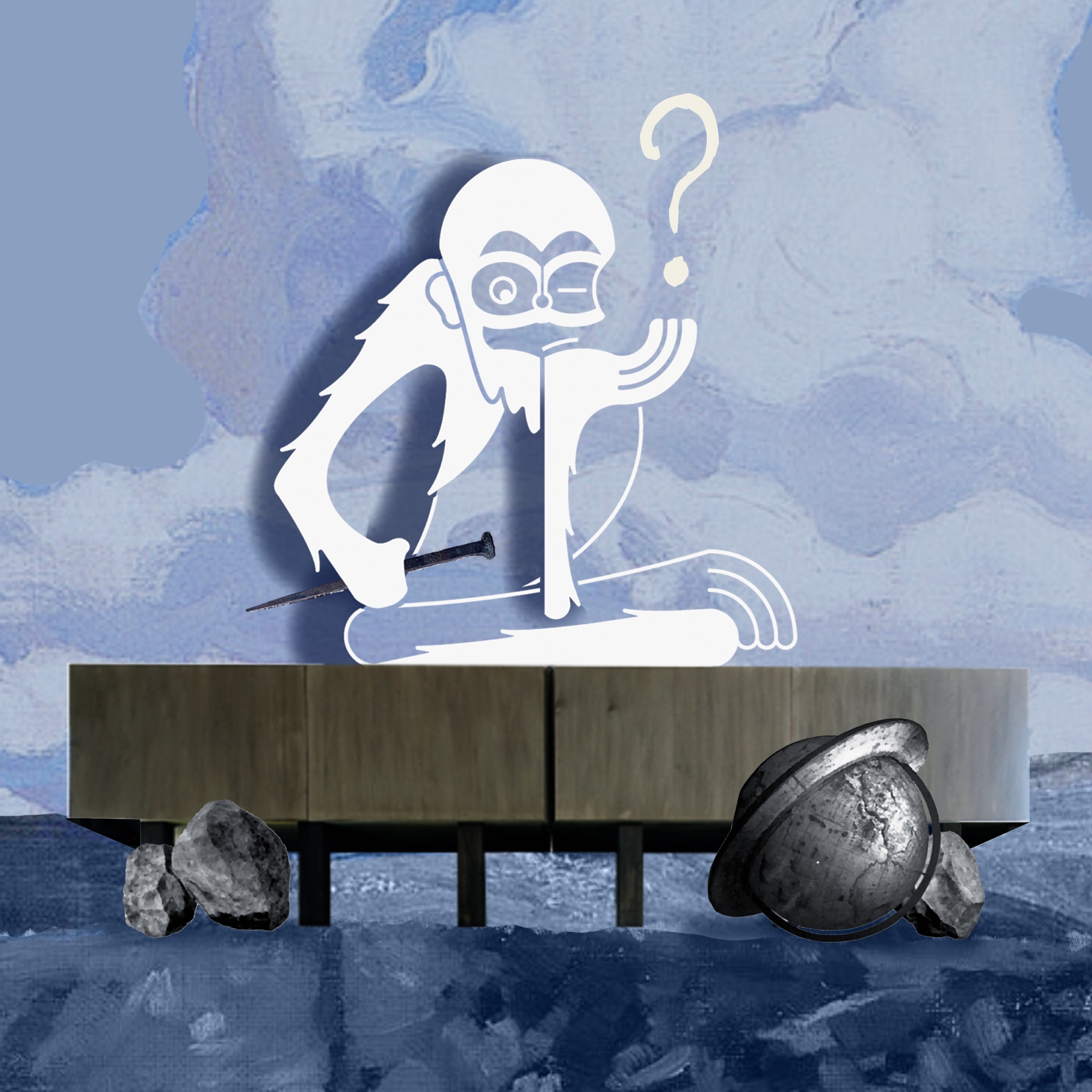
Xover Parts は、技術、境界、機能、生産システムを横断してデザインされた部品群です。
その思想の根源は、”初めて人間へと進化する猿”が、足元に転がる何でもない石礫(いしころ)に機能を見出そうとする「一瞬の意志」にあります。その一瞬の閃きによって、ただの自然物であった石は、道具となる可能性を宿します。
Xover Parts is a series of components designed to traverse the boundaries of technology, function, and production systems.
The root of its philosophy lies in that "momentary will" when a primate, on the verge of evolving into a human, discovers a potential function in a common pebble lying at its feet. Through that flash of inspiration, what was once a mere object of nature begins to harbor the possibility of becoming a tool.
近代以降、モノの存在は単一の機能によってのみ定義されるようになりました。現代の都市は、そうした単一の機能を前提に規格化された、大量生産の部品に覆い尽くされています。対して私たちが提案する Xover Parts は、他のモノや空間と組み合わされることで、その都度多様な機能を生み出し、モノ本来のより自由な「ふるまい」を再現します。
Since the advent of the modern era, the existence of objects has come to be defined solely by singular functions. Today’s cities are saturated with mass-produced, standardized parts based on this premise of monofunctionality. In contrast, Xover Parts generates diverse functions each time they are combined with other objects or spaces, reclaiming the inherent and more spontaneous "behavior" of things.

大量生産品に囲まれた私たちの生活は、世界を覆う巨大な流通網に支えられています。そこでは、モノは「機能」という基準で価値を数値化され、一つの市場を形成しています。 Xover Parts のヴィジョンは、そうした既存の市場構造から自律し、独自の生産体系と流通網を持った新しい市場を開拓することにあります。
Our lives, surrounded by mass-produced goods, are supported by a vast global distribution network. Within this network, objects are quantified by the metric of "function," forming a singular, massive market.The vision of Xover Parts is to establish a new market—one that functions independently of existing market structures and possesses its own unique systems of production and distribution.
建築の専門技術がまだ存在しなかった古代日本において、刀剣や祭具をつくる技術を用いてつくられた法隆寺五重塔の鍛造釘を、Xover Partsのシンボルとして掲げます。
The symbol of Xover Parts is a forged nail from the five-story pagoda of Horyuji Temple, which was made in ancient Japan, when specialized construction techniques did not yet exist, using techniques for making swords and ritual implements.
Waseda University School of Creative Science and Engineering Architecture 早稲田大学創造理工学部建築学科
Copyright (C) 2014 Watanabe Taishi Laboratory, Department of Architecture, Waseda University. All Rights Reserved.